 Skip to content



author: Karin Dunklová, showroom manager, sleepwear expert
A stuffy nose, swollen eyes, or itchy skin are the everyday reality of many allergy sufferers. Although we look for the culprit in blooming nature, we often overlook it where we spend a third of our lives. In bed. The materials in the mattress directly affect the environment in which we sleep and can help alleviate allergic symptoms.
The biggest enemy is not the material, but moisture
Dust mites and mold can be one of the main triggers of nighttime allergies. They thrive in warmth and humidity. This is where an important property of materials comes into play. Some synthetic foams can act as an insulator, reflecting heat back to the body and trapping moisture (sweat) inside the core. This creates an ideal environment for allergens.
The natural materials we use at BERNUSS have the ability to act as natural climate regulation (1):
- Vlna a konský vlas: Absorbujú vlhkosť až do 30 % svojej hmotnosti bez pocitu mokra a následne ju odparia. Lôžko tak ostáva suché.
- Stop dust mites: Dust mites need humidity above 50% to survive. Since a natural bed “breathes”, it keeps humidity below this limit and naturally prevents their reproduction without aggressive chemicals.

The Wool Allergy Myth: Irritation vs. Reaction
Many people avoid wool, believing that they are allergic to the material. However, dermatological studies (2) confirm that true wool allergy is extremely rare in the general population. What often appears as an “allergy” is usually mechanical irritation of the skin by the coarse fibers of poor-quality wool.
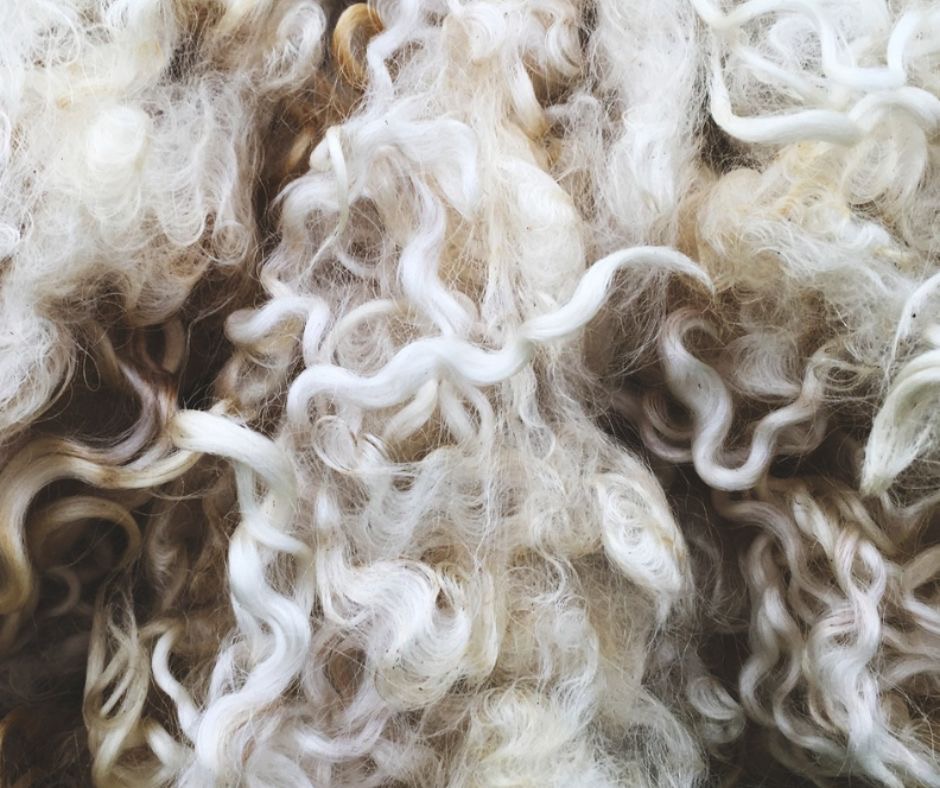
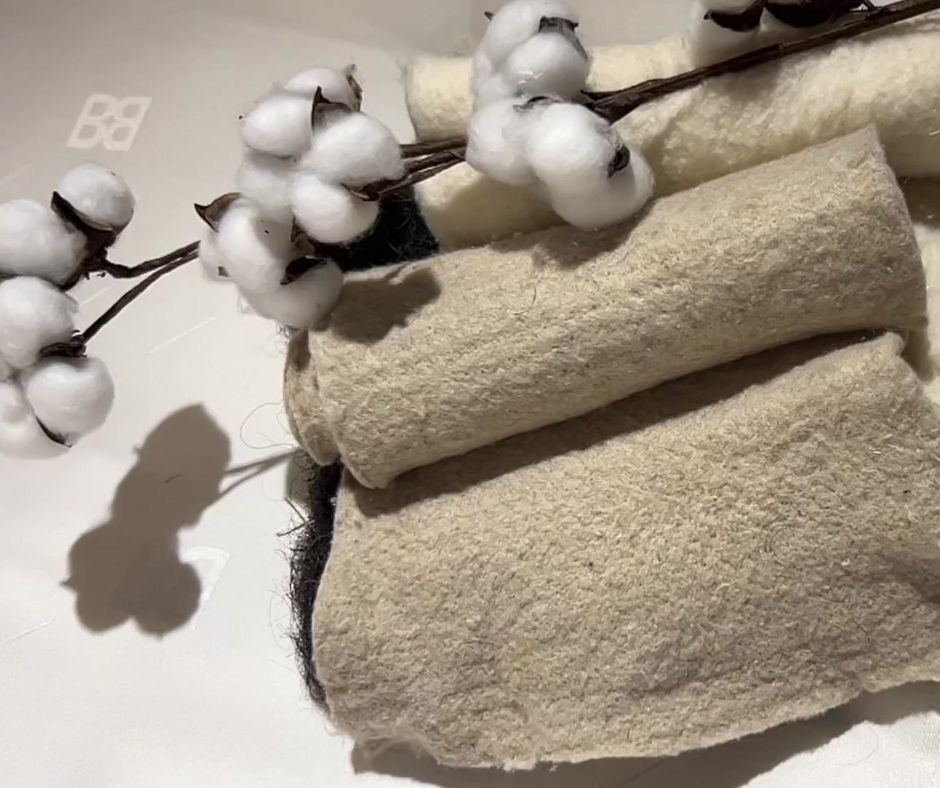
In BERNUSS beds, we work with fine materials, which are additionally enclosed under layers of high-quality cotton. Clinical studies (3) indicate that superfine Merino wool can help stabilize the skin condition of people with atopic eczema. Thanks to the material’s ability to maintain a stable temperature and dryness on the body surface, the skin can naturally calm down. The natural environment thus does not create irritating thermal stress, which is a frequent accompanying phenomenon with synthetic fabrics.
Horsehair and natural latex: Breathability and cleanliness right at the core
For people sensitive to dust, the composition of the mattress core is key. The power of nature offers solutions without synthetic additives.
Horsehair: A natural ventilation system Horsehair is considered one of the most breathable materials in premium bedding. Each hair acts as a tiny hollow tube that helps to effectively draw heat, dust and moisture away from the body. This fact is essential for a clean bed.
Of course, if you have a confirmed and strong allergy to horses, it is advisable to choose other natural alternatives. This is the magic of our individual artisan production. After consulting with you, we can assemble the bed core from materials that will be the most gentle on your health and at the same time meet high demands for quality and comfort.
Natural Latex: A Natural Barrier Without Chemicals Unlike conventional synthetic foams, which can release volatile substances, high-quality natural latex (obtained from the sap of the rubber tree) is naturally more durable. Expert tests (4) indicate that natural latex is more resistant to bacteria and mold. Due to its structure and composition, it is less prone to the accumulation of dust mites, making it a suitable choice for anyone who cares about the high purity of the air they breathe while sleeping.
Beware of the “chemical cocktail” in the bedroom
Allergies aren’t just about dust. Many people have a hypersensitive reaction to VOCs (volatile organic compounds) that are released from the adhesives and synthetic foams in conventional mattresses. That “new-age smell” is actually the release of chemicals that can irritate mucous membranes. (5)
At BERNUSS we minimize glues and replace them with honest, artisanal sewing. The natural bed does not evaporate any chemicals. It smells only of cotton, wool and wood.
Conclusion: How to make a bed for someone with allergies?
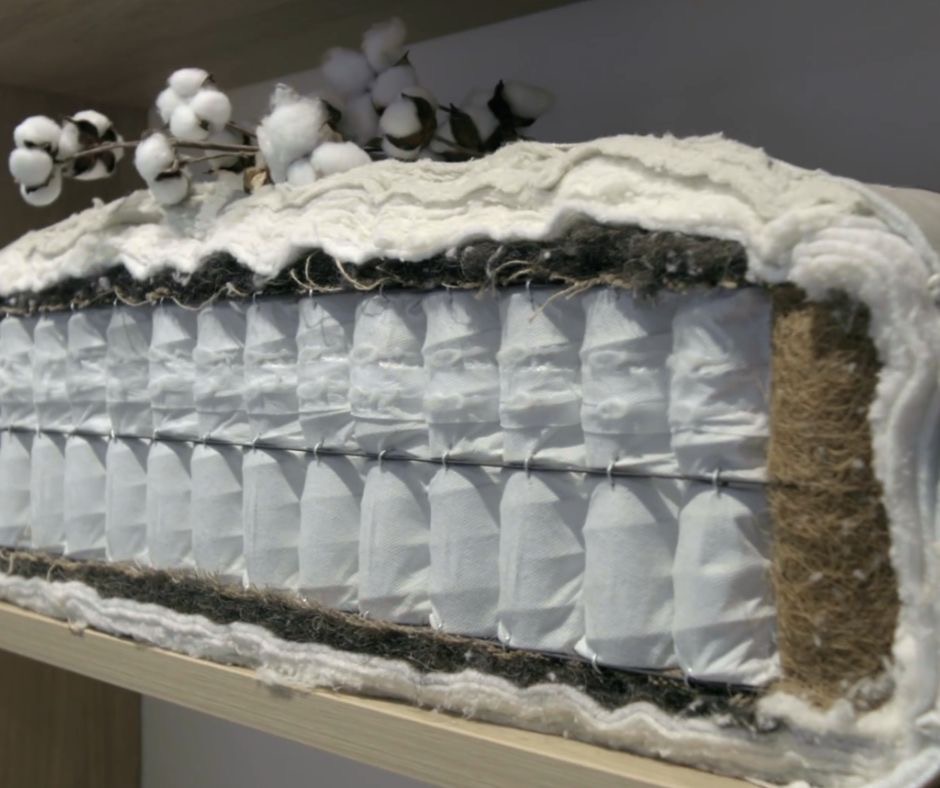
For a peaceful night, look for a synergy of materials. The ideal combination is a core of horsehair and natural latex, layers of wool, cotton or cashmere, and a washable cover of organic cotton. Investing in such a bed is not only an aesthetic choice, but a functional decision for a healthier microenvironment in your home.

Pozrite si naše video, kde rozoberáme ako výber materiálov vo vašej posteli priamo ovplyvňuje prejavy alergie a prečo syntetické materiály často fungujú ako magnet na prach a roztoče.
Frequently Asked Questions (FAQ)
Is wool in bed suitable for allergy sufferers?
Yes. Wool regulates moisture and contains lanolin, which makes life difficult for dust mites. Unless you have a rare allergy to lanolin, it is safer than synthetics due to its breathability.
What mattress is best for asthmatics?
A combination of natural latex and horsehair (6) is proving to be the best choice for asthmatics. These materials naturally repel mold and do not trap dust, which are major triggers of asthma attacks at night.
Would you like to find out which of these materials would best suit your individual needs? Would you like to find out which of these materials would best suit your individual needs?
Resources
- Water balance and humidity requirements of house dust mites – PubMed
- Debunking the Myth of Wool Allergy: Reviewing the Evidence for Immune and Non-immune Cutaneous Reactions | HTML | Acta Dermato-Venereologica
- An Investigator Blinded, Clinical Trial Assessing the Efficacy of Superfine Merino Wool Base Layer Garments (SMWBG) in Children with Atopic Dermatitis (AD) Measuring SCORAD1, EASI2, POEM3 and DSA4 Scores
- Antifungal activity of fluconazole-loaded natural rubber latex against Candida albicans – PubMed
- Volatile Organic Compound Emissions from Polyurethane Mattresses under Variable Environmental Conditions – PubMed
- Clinical evaluation of the effect of anti-allergic mattress covers in patients with moderate to severe asthma and house dust mite allergy: a randomised double blind placebo controlled study – PMC
Author: Karin Dunklová is the head of the Bernuss showroom and an expert in individual sleep needs. She works daily with customers to select custom beds and mattresses, focusing on healthy sleep, ergonomics, and practical solutions based on real-world experience.